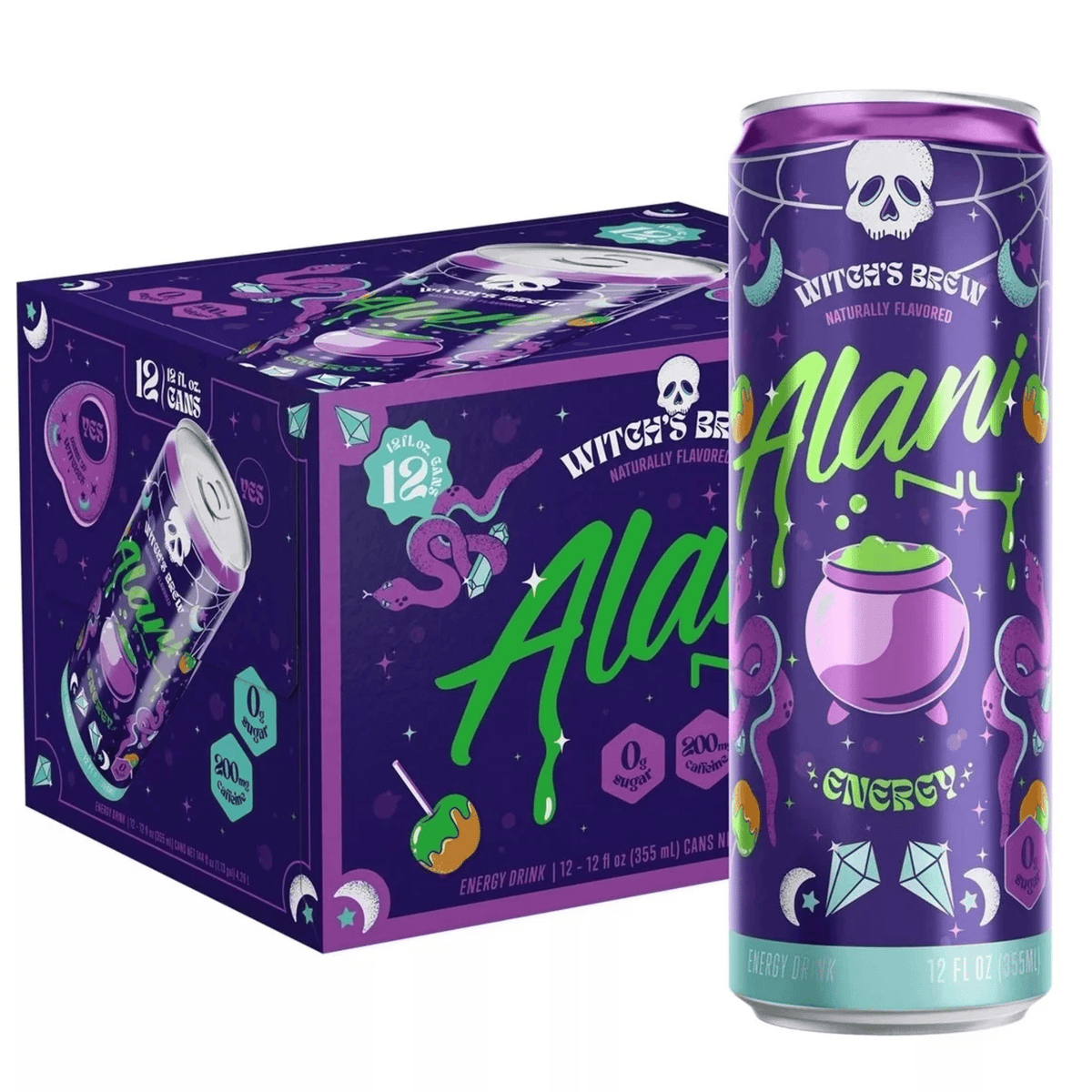
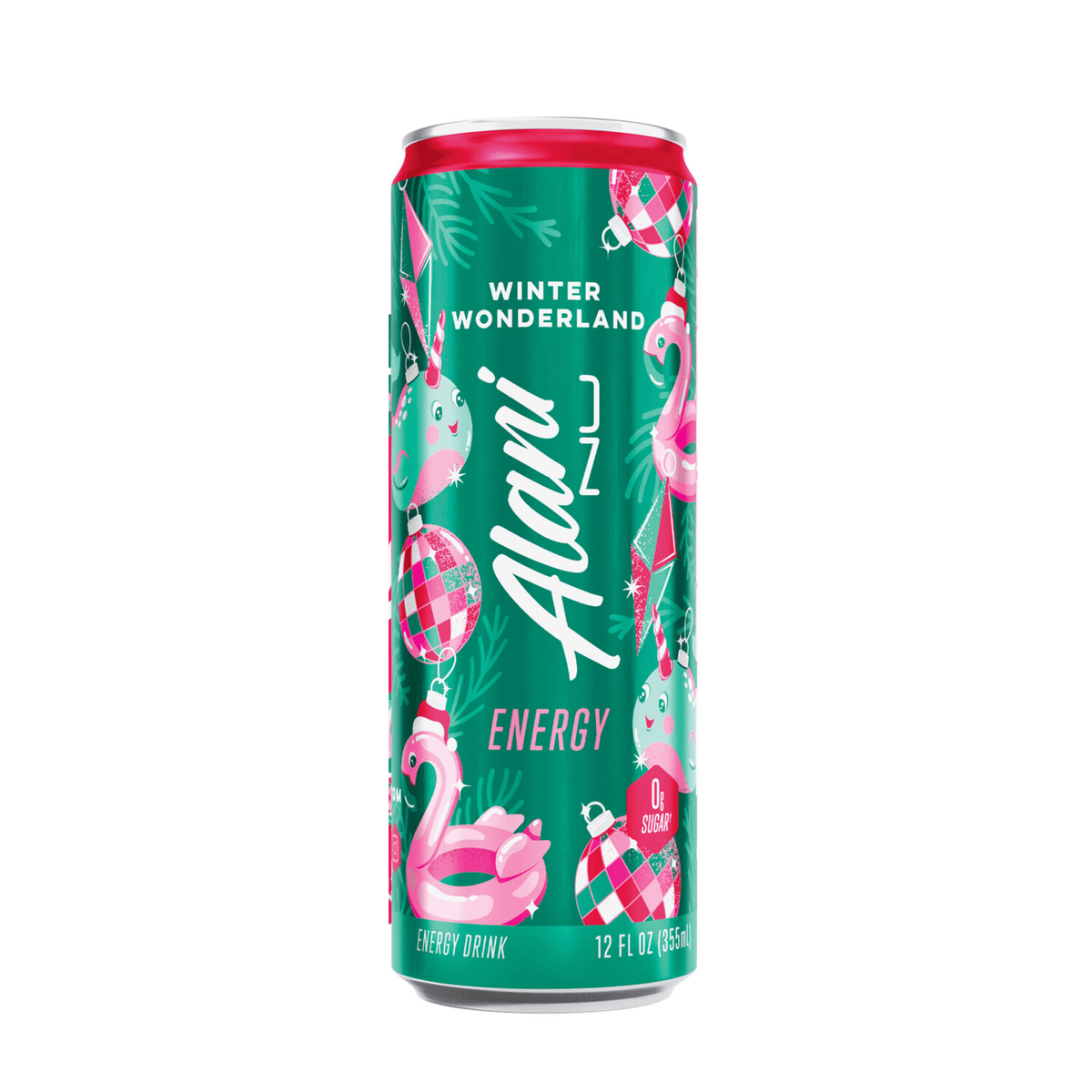
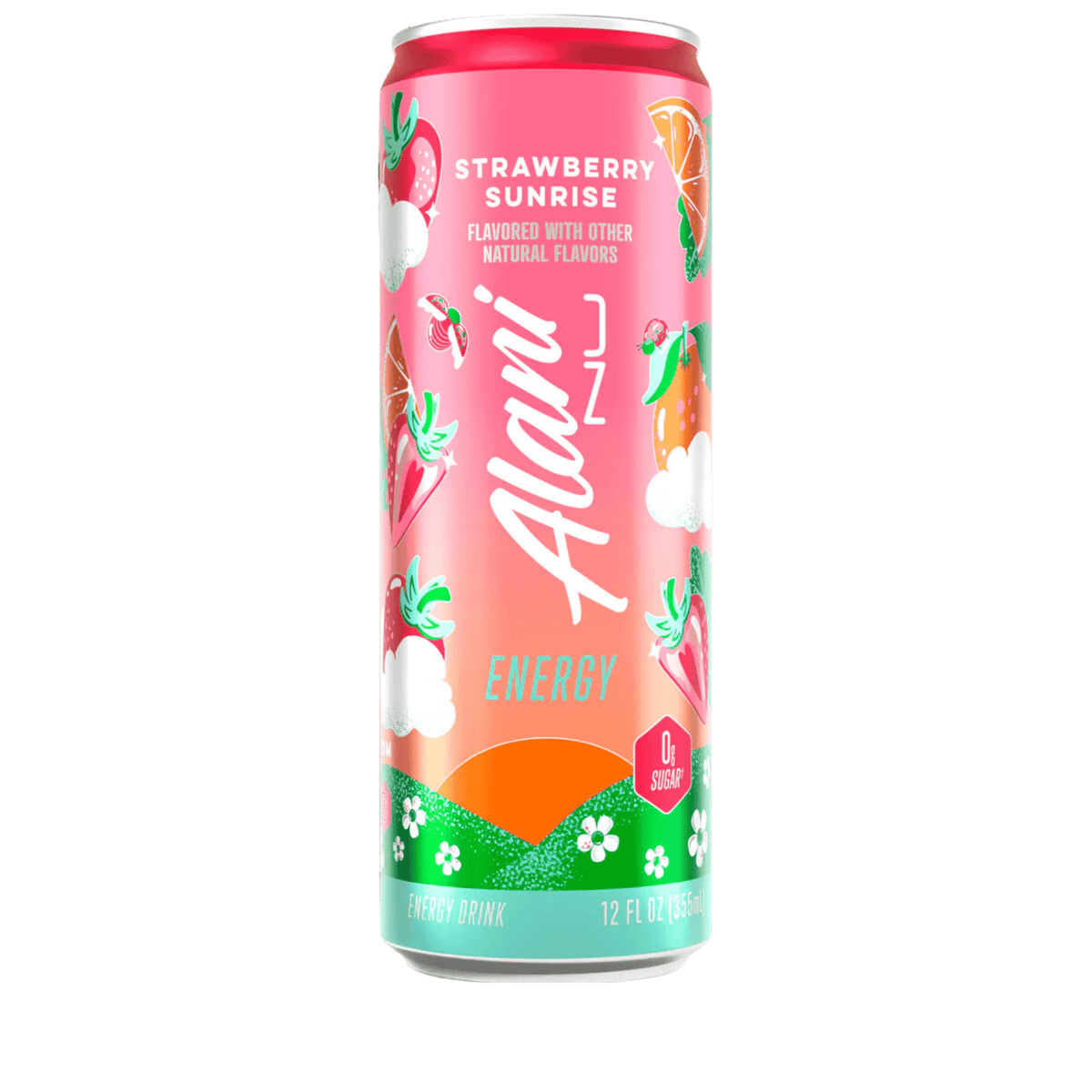
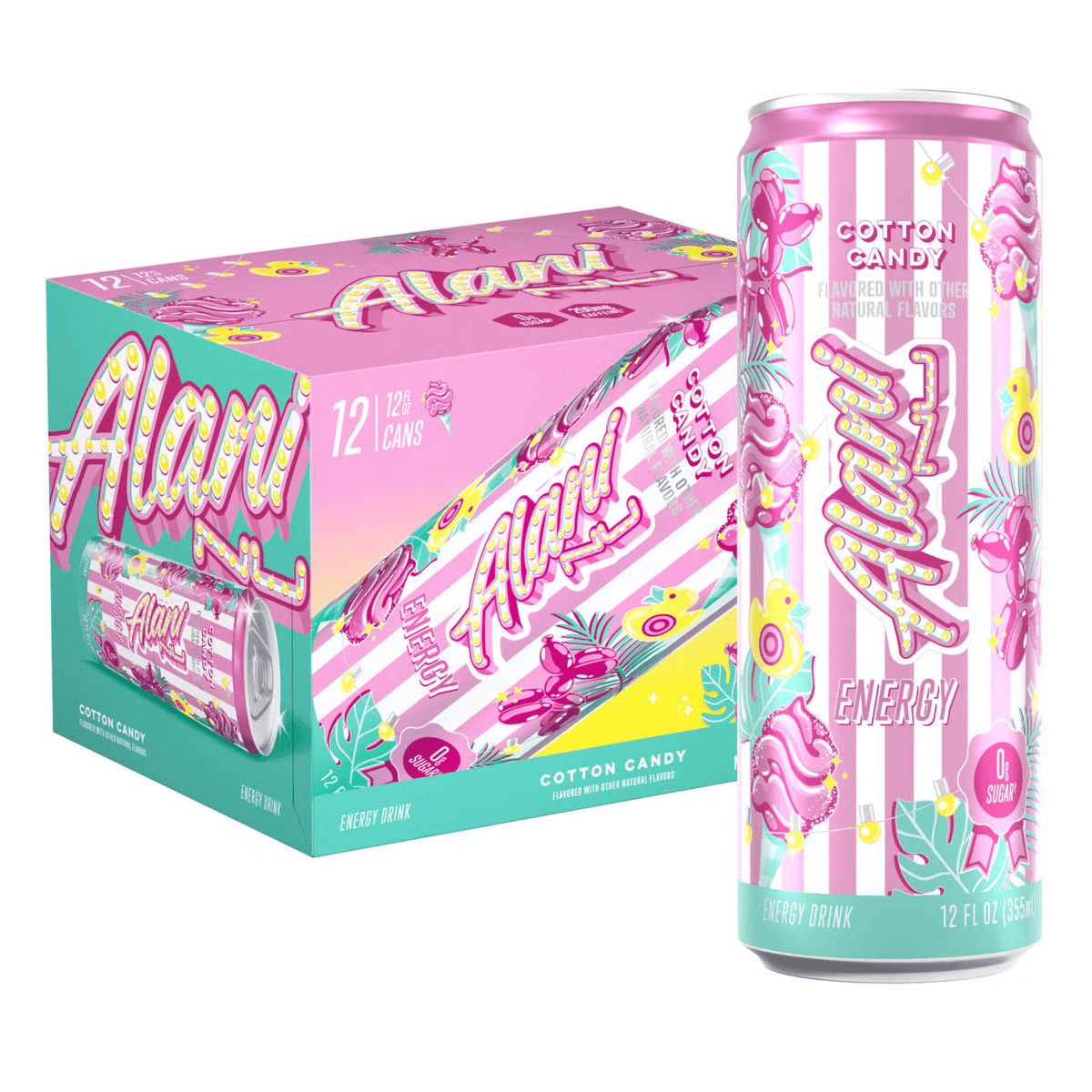
Alani Nu Energy
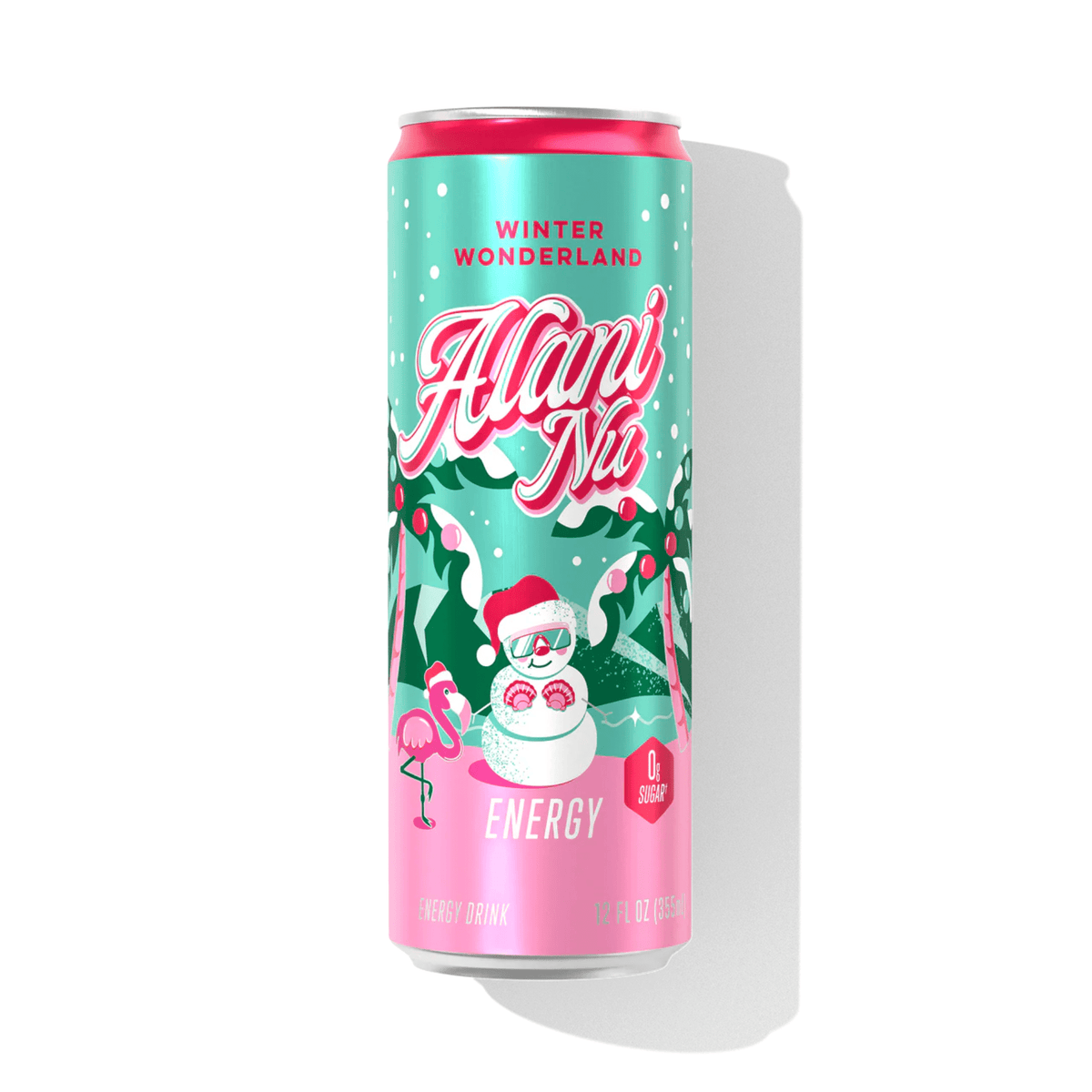
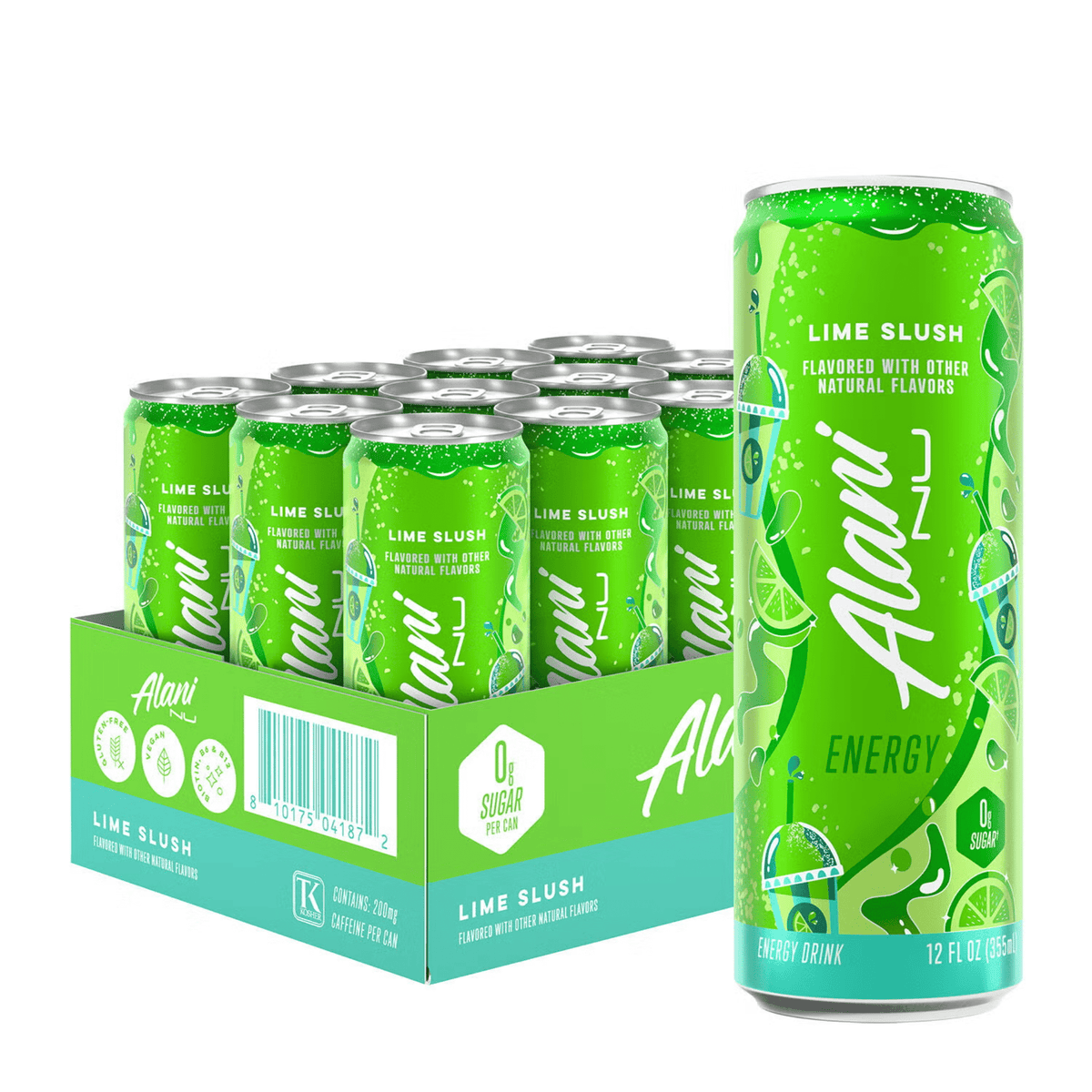
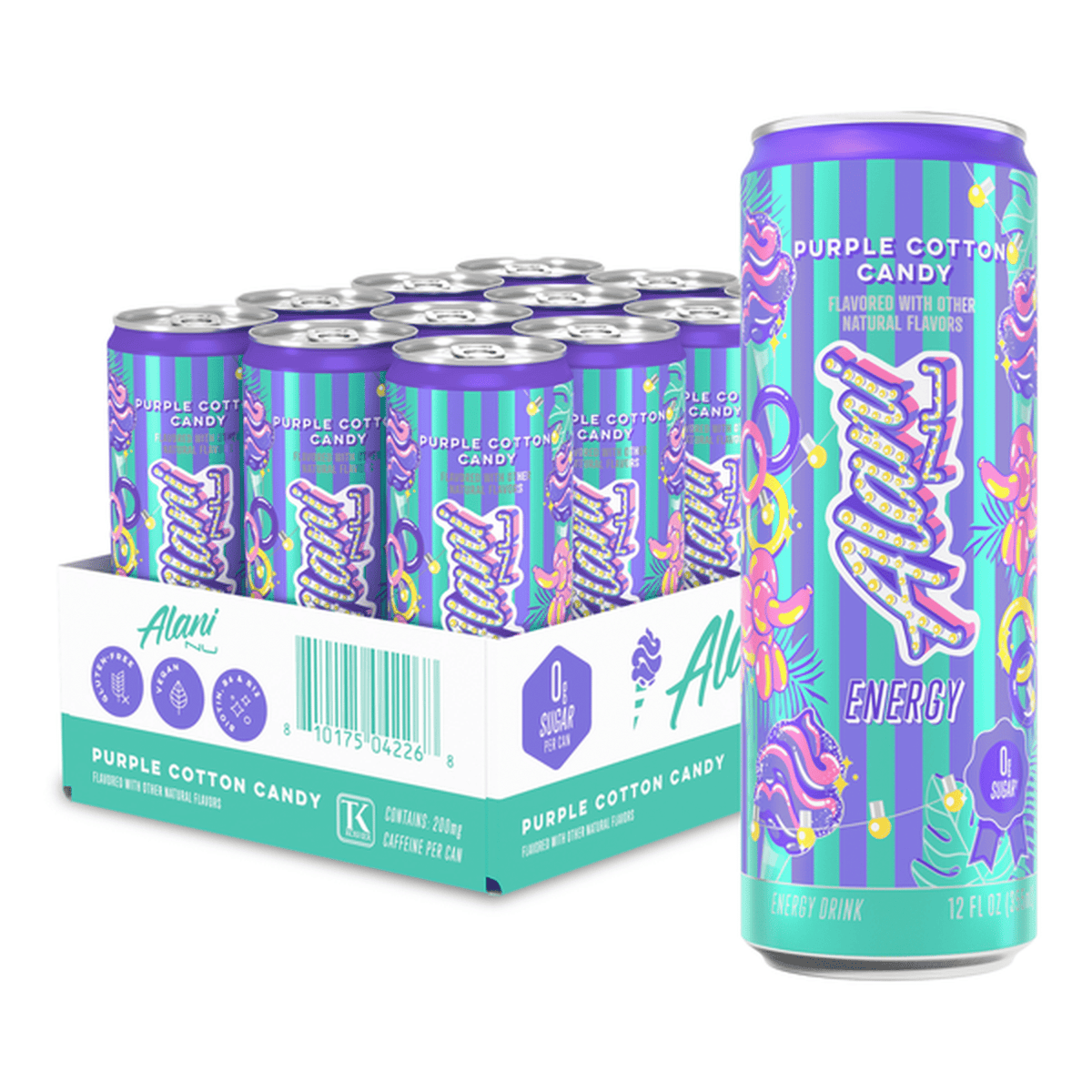
A zero-sugar energy drink, typically around 200mg of caffeine per can — known for flavour variety and an approachable profile.
⚠ Energy drink or pre-workout? The difference matters
| Energy drink |
Caffeine and focus ingredients |
Alertness. All-day format |
| Pre-workout |
Caffeine plus 6–8g citrulline, 3.2g beta-alanine |
Training performance |
An energy drink typically carries similar caffeine to a pre-workout, but without the performance ingredients. No meaningful citrulline for blood flow, no full beta-alanine dose for muscular endurance.
The reason is volume. A can cannot hold 8g of citrulline and 3.2g of beta-alanine alongside everything else and remain drinkable — a physical constraint rather than a shortcut.
Using one before training is a perfectly reasonable choice — you are getting the stimulant half. Just know what you are and are not getting, and add a stimulant-free pump product if pumps matter to you.
⚠ The daily-use problem
This matters more with energy drinks than with any pre-workout, precisely because they are designed to be drunk casually.
Tolerance builds with regular exposure. Drink one every day and within months you need more than one to feel anything — and people escalate to two or three without noticing.
- The FDA cites 400mg daily for healthy adults
- That includes coffee, tea, pre-workout and any fat burner
- An energy drink plus a pre-workout plus two coffees exceeds it comfortably
And the sleep point, which is the one that actually matters: caffeine has a long half-life, so an afternoon can is still working at bedtime. Poor sleep undermines training, recovery and fat loss more than any energy drink improves them.
Why an easy-drinking can needs more attention, not less
Worth saying plainly, because it applies specifically to drinks that taste good.
Measuring a scoop is a small deliberate act. You see the powder, you decide how much. A pleasant-tasting can in the fridge feels like a drink rather than a dose — and at 200mg, that is half the daily figure the FDA cites for healthy adults in one easy sitting.
None of that makes it a bad product. It makes it one worth counting.
What is in a modern energy drink
-
Caffeine — by far the deepest evidence base in this space, for alertness, reaction time and perceived exertion
-
L-theanine, if present — promotes alpha wave activity and smooths caffeine's edge without reducing alertness. The researched ratio is roughly 1:2 theanine to caffeine
-
B vitamins — cofactors in energy metabolism rather than energy themselves. They do not give you energy unless you are deficient, which is worth knowing since they feature heavily in marketing
-
Taurine — despite the reputation, taurine is inhibitory rather than stimulating
-
Biotin, common in this category. ⚠ If you take biotin regularly, stop 48 to 72 hours before any blood test — it interferes with thyroid and cardiac immunoassays and can produce misleading results
-
Zero sugar, which is the main change from the original generation of energy drinks
Specs
| Type |
Energy drink, not a pre-workout |
| Caffeine |
Around 200mg — check the can |
| Sugar |
Zero |
How to drink it
-
Morning or early afternoon. Not within six hours of bed.
-
As a coffee alternative, which is what it is built for.
-
Before training if you want — but add a pump product if that matters.
-
Not alongside a pre-workout. That is doubling your stimulant dose.
-
One a day at most, and not every day indefinitely.
Who this is for
- Anyone who wants an alternative to coffee
- People replacing sugary energy drinks or soft drinks
- Anyone who wants energy without a full pre-workout
- People doing cardio or lighter training
- Anyone who prefers a cold drink to a hot one
Who this is not for
Anyone expecting pre-workout performance. There is no meaningful citrulline in a can.
Anyone already at their caffeine limit. Count coffee, pre-workout and fat burners together.
Anyone drinking several a day. Tolerance escalates and sleep suffers.
Anyone training in the evening.
Anyone with high blood pressure, a heart condition or anxiety, without speaking to a doctor.
Not for anyone under 18, pregnant or nursing.
Stack it with: a stimulant-free pump product before training. Not with another stimulant.
Frequently asked questions
How much caffeine is in it?
Typically around 200mg — check the can. That is half the 400mg daily figure the FDA cites for healthy adults, in one sitting.
Can I use it as a pre-workout?
You get the stimulant half only. There is no meaningful citrulline or full beta-alanine dose — a volume constraint rather than a shortcut.
Do B vitamins give me energy?
Not directly. They are cofactors in energy metabolism, so they matter if you are deficient — supplementing them when you are not does not produce energy.
Is taurine a stimulant?
No. Despite the reputation, taurine is inhibitory rather than stimulating.
Should I stop it before a blood test?
If it contains biotin, stop 48 to 72 hours beforehand — biotin interferes with thyroid and cardiac immunoassays.
Can I drink one every day?
Tolerance builds and people escalate without noticing. Better used deliberately than by default.
Will it affect my sleep?
Caffeine has a long half-life, so an afternoon can is still working at bedtime.
Can I drink it with a pre-workout?
No — that is doubling your stimulant dose in one sitting.