


Description
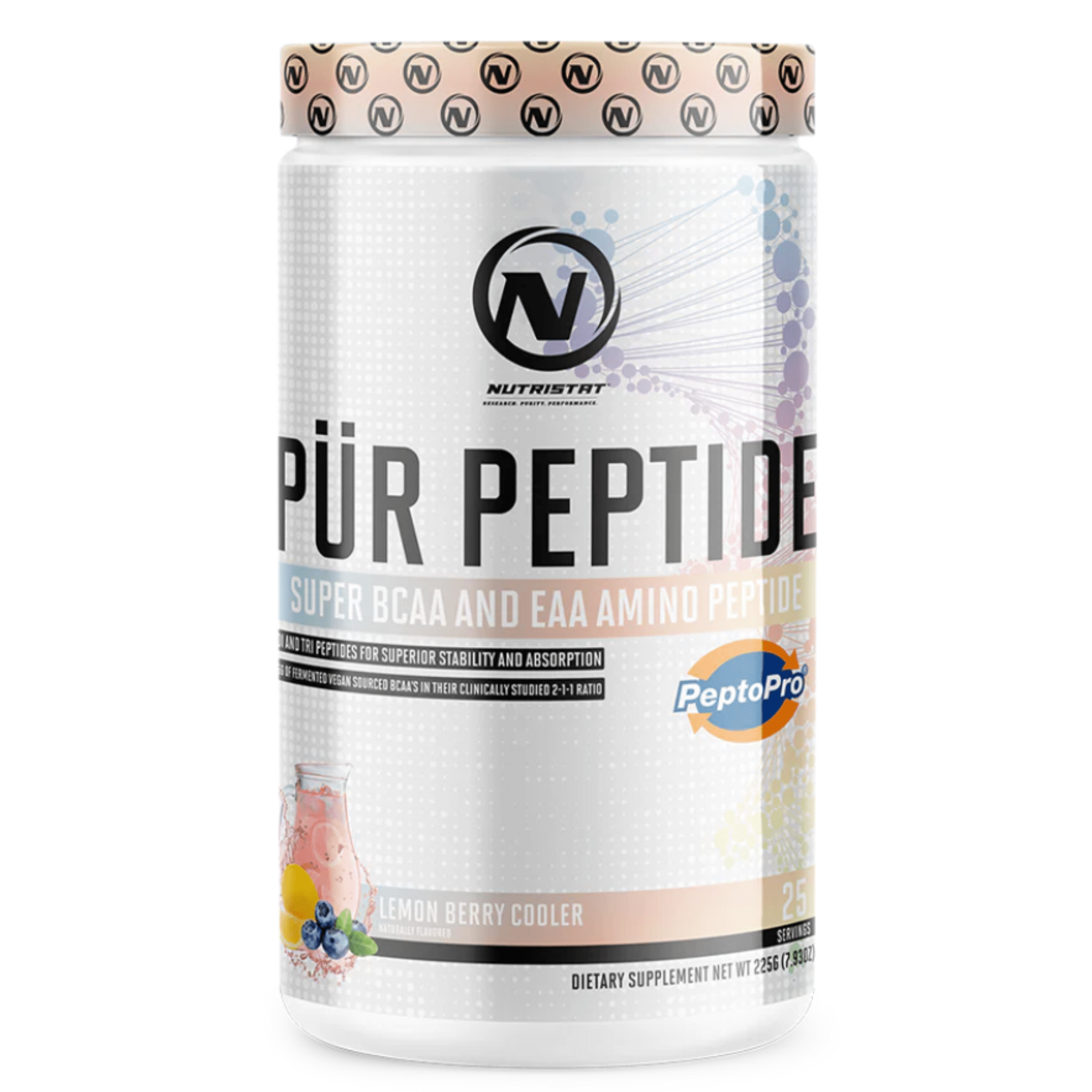
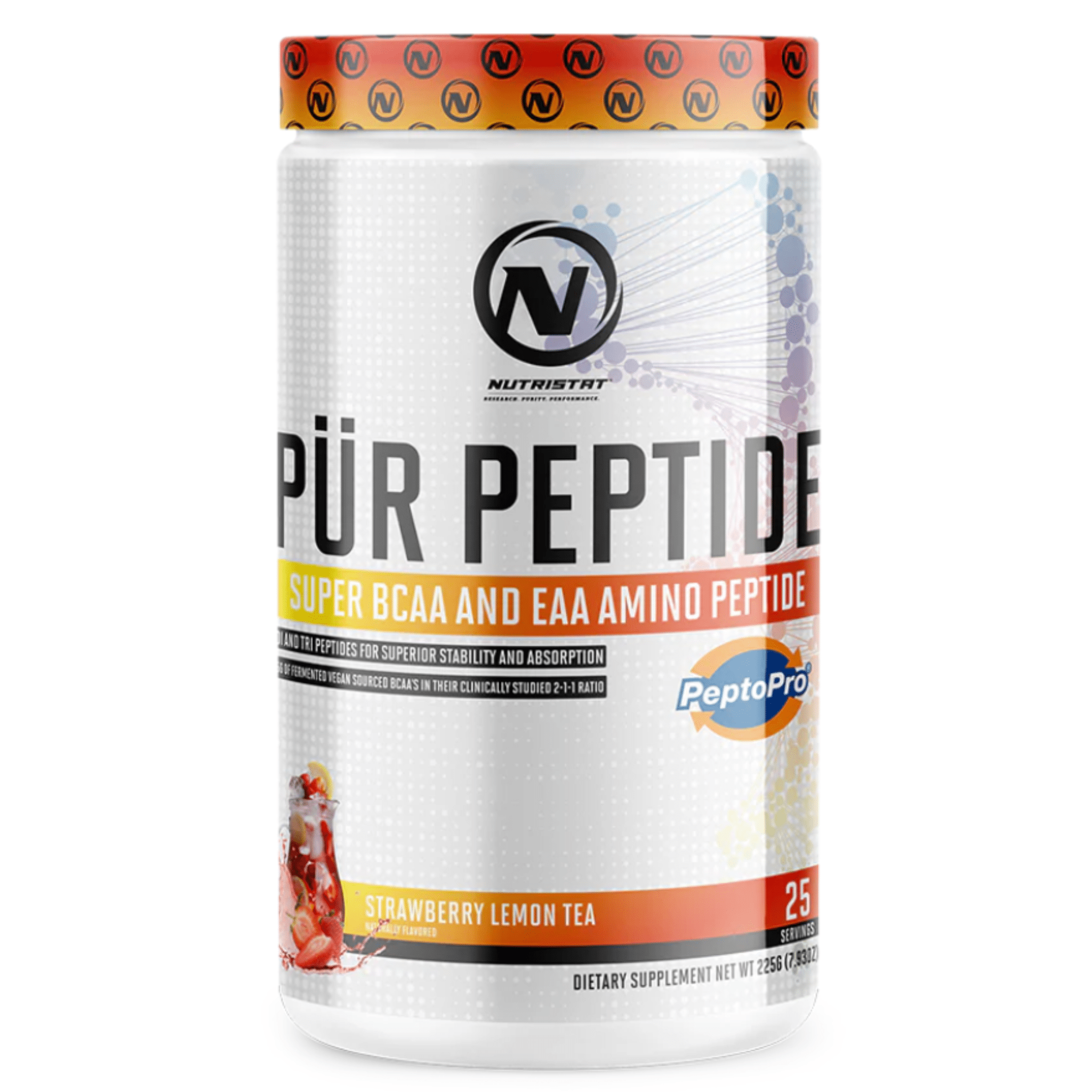
Nutristat PÜR Peptide
Hydrolysed protein peptides — protein pre-broken into short chains for faster absorption.
Why hydrolysed protein absorbs faster — the actual mechanism
This is genuinely interesting biology and it is the reason the product exists.
Hydrolysis means the protein has already been partially broken down using enzymes, into peptides — short chains of two, three or a few amino acids — rather than whole intact protein.
The obvious explanation would be that this simply saves your digestion some work. That is true, but it is not the interesting part.
The interesting part is that di- and tripeptides have their own transporter. Free amino acids are absorbed by a set of transporters that compete with one another. Short peptides are absorbed via PepT1 — a separate, higher-capacity route that is not subject to the same competition.
Which means a hydrolysed protein can deliver amino acids into the bloodstream faster than either intact protein or free amino acids, because it uses a road with less traffic on it.
Same principle behind the dileucine in our Growth Peptides page, and the reason clinical nutrition uses hydrolysed formulas for people with compromised digestion.
Where that speed actually matters — honestly
Faster is not automatically better, so here is where it genuinely helps and where it does not.
Genuinely useful:
- Intra-workout. Sipping protein during training is uncomfortable with an intact protein sitting in your stomach. Hydrolysed peptides clear far faster and are much easier to tolerate mid-session
- When a shake sits heavily. If whey leaves you bloated or sluggish before training, this is the direct solution
- Two-a-day training, where the window between sessions is short and digestion speed genuinely matters
- Very large total protein intakes, where digestive load is a real constraint
- Anyone with reduced digestive capacity, which is precisely why hydrolysates are used clinically
Where it matters less than the marketing suggests:
- Post-workout. The "anabolic window" turns out to be far wider than once believed — measured in hours rather than minutes. If you eat protein within a couple of hours of training, absorption speed is not your limiting factor
- Total daily muscle growth. What matters most is total daily protein and adequate leucine, not how fast any single serving arrives
Our honest summary: buy this for comfort and timing flexibility around training, not because faster absorption builds more muscle. The comfort case is real and often overlooked; the muscle-building case is overstated across the whole category.
⚠ Hydrolysed protein tastes bitter
Worth knowing before you open the tub.
Breaking protein into peptides exposes hydrophobic amino acid side chains, and those taste bitter. It is an inherent chemical consequence of hydrolysis rather than a manufacturing shortcoming — the more extensively hydrolysed a protein is, the more bitter it tends to be.
Manufacturers work around it with flavouring and bitterness blockers, but if you find hydrolysed products sharper than a standard whey, that is why.
Specs
| Protein | Hydrolysed peptides |
| Absorption | Via PepT1 — separate from free amino acid transporters |
| Best used | Intra-workout, or when a shake sits heavily |
| ⚠ Allergen | Check the panel for the protein source |
How it compares to our other protein options
| PÜR Peptide | Hydrolysed peptides | Fastest. Best mid-session |
| Whey isolate | ~86% protein by weight | Leanest. Everyday choice |
| Clear whey | 20g, drinks like juice | When a creamy shake is unappealing |
| Casein-led blends | Slow release | Before bed, or long gaps |
For most people most of the time, whey isolate is the right everyday protein. This is a specialist tool for a specific problem.
How to take it
- During training, sipped through the session — the clearest use.
- Or before training, if a normal shake sits heavily.
- Between sessions on two-a-day days.
- Mix thoroughly — and expect some foaming, which is normal for peptides.
- Count it toward your daily protein total, unlike collagen.
Who this is for
- Anyone who wants protein during training rather than around it
- People who find whey sits heavily before a session
- Anyone training twice a day with short gaps
- People eating very high protein, where digestive load is a constraint
- Anyone with reduced digestive capacity
Who this is not for
Anyone wanting an everyday protein. Whey isolate costs less per gram and does that job perfectly well.
Anyone buying it because faster absorption builds more muscle. Total daily protein matters far more, and the post-workout window is measured in hours rather than minutes.
Anyone sensitive to bitterness — hydrolysates are inherently sharper.
Anyone with a milk allergy, if the source is dairy. Check the panel.
Not for anyone under 18 without medical advice.
Stack it with: creatine and a carbohydrate source if you are using it intra-workout.
Frequently asked questions
What does hydrolysed mean?
The protein has been partially broken down by enzymes into short peptide chains rather than left intact.
Why does that absorb faster?
Di- and tripeptides use the PepT1 transporter, which is separate from and higher-capacity than the transporters handling free amino acids — a road with less traffic.
Does faster absorption build more muscle?
Not meaningfully. Total daily protein and adequate leucine matter far more, and the post-workout window is far wider than once believed.
So why buy it?
Comfort and timing. It is genuinely easier to tolerate during training, and useful if a normal shake sits heavily or you train twice a day.
Why does it taste bitter?
Hydrolysis exposes hydrophobic amino acid side chains, which taste bitter. It is inherent to the process rather than a fault.
Can I use it as my main protein?
You can, but whey isolate costs less per gram and does the everyday job just as well.
Does it count toward my protein target?
Yes — unlike collagen, which is an incomplete protein.
Why does it foam?
Peptides foam when shaken. Let it settle for a moment.
You may also like
Recently viewed
- Opens in a new window.