


Description
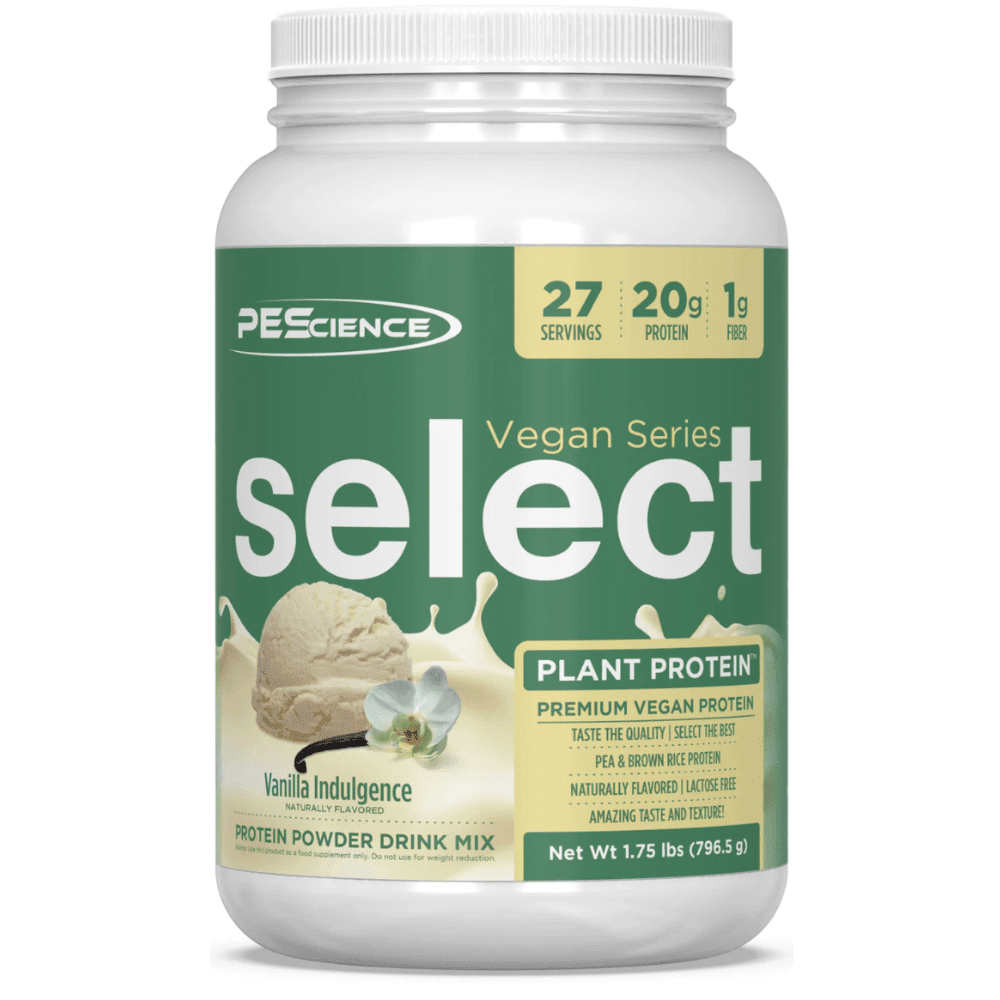
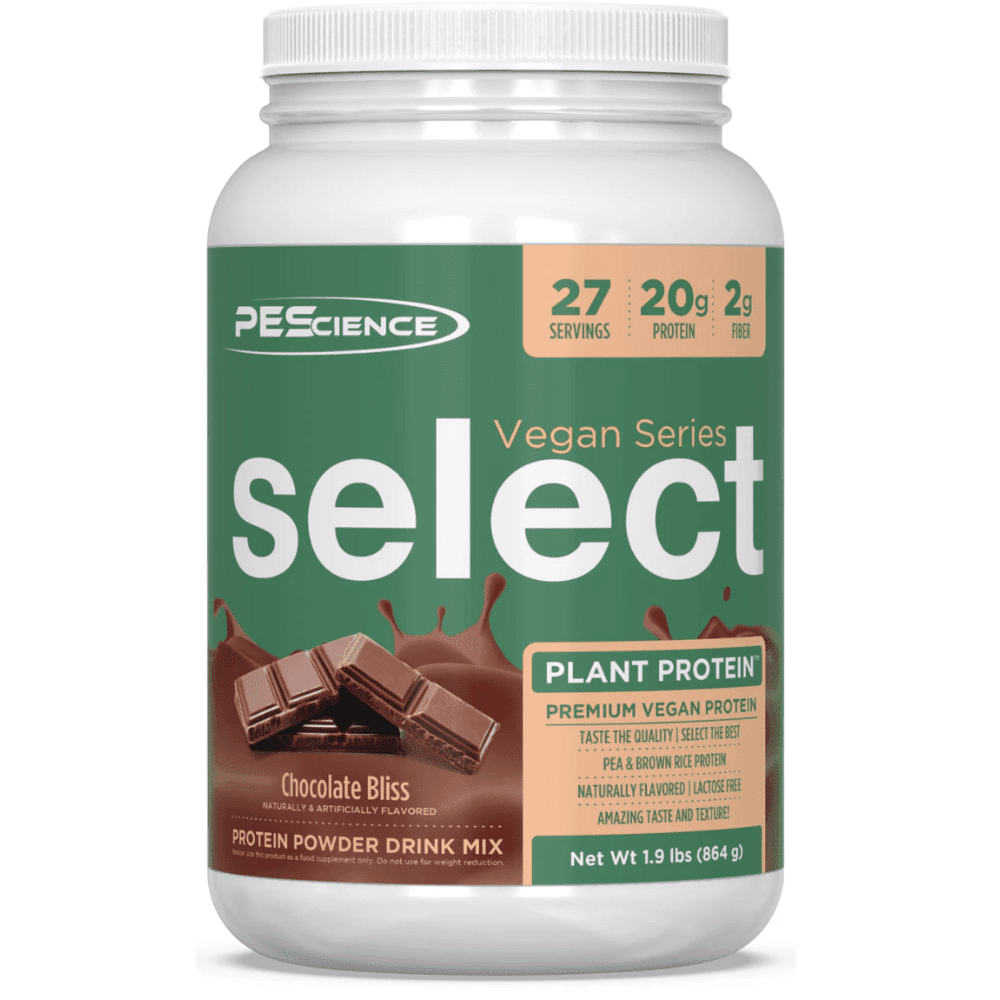
PEScience Select Vegan
Plant protein has two well-earned problems: the amino acid profile and the texture. Select Vegan is built specifically to address both, and it is sweetened with stevia rather than sucralose.
20 grams of protein per scoop from pea and brown rice.
Why pea and rice together, not either alone
This is the part worth understanding, and it is genuinely elegant.
Protein quality depends on the amino acid profile. A protein is described as complete when it supplies all nine essential amino acids in useful proportions. Most plant proteins fall short somewhere.
- Pea protein is relatively rich in lysine but lower in methionine
- Brown rice protein is the reverse — decent methionine, lower lysine
Combine them and each covers the other's gap. The blend produces an amino acid profile that approaches dairy protein, which neither source manages on its own. This is complementary protein, the same principle behind rice and beans, applied to a supplement.
There is a texture reason too. Brown rice protein alone mixes poorly and is notoriously gritty. Pea protein carries the mouthfeel. Together they are considerably better than either separately, which is why pea and rice has become the standard plant blend rather than a compromise.
The texture problem, addressed honestly
If you have tried plant protein before, you know the earthy taste and the grainy mouthfeel. PEScience's reputation is built on flavour, and this is the best-tasting plant protein we carry.
It is still not a whey. PEScience says so themselves — a dairy-free protein is never going to be as rich and creamy as a dairy one, and anyone claiming otherwise is overselling. What this does is get close enough that you will actually drink it, which is the only measure that matters.
Set that expectation properly and most people are pleasantly surprised. Expect a whey and you will be disappointed by every plant protein ever made.
Stevia, no artificial sweeteners
Sweetened with stevia extract and naturally flavoured. No sucralose, no acesulfame potassium, no artificial dyes.
Worth noting the honest labelling here: the chocolate flavours say "natural and artificial flavors" purely because alkali-processed cocoa powder is classified that way, not because artificial flavouring has been added. That is a technicality most brands would quietly avoid disclosing.
If you dislike stevia, that is the one thing to know before buying. It is the only sweetener here and there is no artificially sweetened version of this product.
Specs
| Protein | 20g per scoop |
| Sources | Pea protein concentrate, brown rice protein concentrate |
| Sweetener | Stevia extract only |
| Dairy / lactose | Free |
| Soy | Free |
| Gluten | Free |
| Non-GMO | Yes |
| Testing | Third-party tested for label accuracy, purity, potency and contaminants |
| Servings | 27 |
| Made in | USA |
Other ingredients: natural flavour, cocoa powder in chocolate versions, guar gum and salt. Short list.
The third-party testing matters more here than most people realise. Plant proteins are agricultural products grown in soil, and heavy metal content is a genuine and documented concern across the plant protein category. Testing for contaminants is not a box-tick on a pea protein.
How to mix it
- One scoop into 10 to 12 ounces of cold water or a milk alternative. More liquid than a whey needs — plant proteins thicken more.
- Shake 15 to 20 seconds, let it stand about 30 seconds, then shake again. That second shake genuinely improves the texture and it is the single best tip for any plant protein.
- Ice or a blender if you want it creamier. Half a frozen banana transforms it.
- Excellent in oats. Stir it in off the heat. Plant proteins suit this better than they suit water.
- Baking needs different ratios. Plant proteins absorb liquid differently from whey, so do not substitute one for the other directly in a recipe.
Who this is for
- Vegans and vegetarians, obviously
- Anyone dairy-free or genuinely lactose intolerant, where even an isolate is a problem
- People avoiding soy, since soy is the other common plant protein base
- Anyone avoiding artificial sweeteners
- People who have tried a plant protein, hated it, and written off the category
- Anyone in Lent, on an elimination diet, or eating plant-based part of the time
Who this is not for
If you can tolerate dairy, whey is still the better protein gram for gram — higher leucine, better absorption, more research. Choose a plant protein for a reason, not by default.
If you dislike stevia, this is stevia-sweetened and there is no alternative version.
If you want the creaminess of whey, no plant protein delivers that. This is the closest we carry, and it is still not the same thing.
At 20g per scoop it is lower than most whey isolates at 24 to 25g. Plant proteins generally are.
Stack it with: creatine, which is worth flagging — the main dietary sources are meat and fish, so people eating plant-based start from a meaningfully lower baseline and often see more from supplementing it. See our creatine range.
Frequently asked questions
Why pea and rice together?
Pea is higher in lysine and lower in methionine; brown rice is the reverse. Combined, each covers the other's shortfall and the blend approaches dairy's amino acid profile. Rice also mixes poorly alone, and pea carries the texture.
Is it a complete protein?
The blend supplies all nine essential amino acids in useful proportions, which neither source manages as well alone.
Does it taste gritty?
Less than most plant proteins by a clear margin. It is still not as smooth as whey, and no plant protein is. Use plenty of cold liquid and shake twice.
What sweetener does it use?
Stevia extract only. No sucralose or acesulfame potassium.
Why do chocolate flavours say artificial flavors?
Because alkali-processed cocoa powder is technically classified that way. No artificial flavouring is added.
Is it soy free?
Yes, and gluten free, dairy free, lactose free and non-GMO.
Is plant protein as good as whey?
Gram for gram, whey has a stronger amino acid profile and more research behind it. A well-designed pea and rice blend closes much of the gap. If you avoid dairy, this is a genuinely good option rather than a consolation.
Is it tested for heavy metals?
Third-party tested for contaminants alongside label accuracy, purity and potency. That matters with plant proteins, which are grown in soil.
This vegan protein powder delivers 20g of pea and brown rice protein with stevia sweetening. Customers praised the "great taste," variety of flavors, and smooth texture that "mixes well." Many appreciated the quality ingredients and macros. However, some found the texture "chalky and grainy." Overall, shoppers valued the price and noted no stomach issues.
- 5 stars: 10 (83%)
- 4 stars: 0 (0%)
- 3 stars: 0 (0%)
- 2 stars: 0 (0%)
- 1 star: 2 (17%)
Great ingredients, macros, and taste!! The best out there!! Chocolate is my favorite!
Was looking for a non-whey protein powder and this came highly recommended. Tried twice and it is so bad I cannot use it.
LOVE IT
It’s very gritty, not a great test.
I have tried so many vegan protein powders but this one has been consistently great for me. Tastes good, no stomach issues and has stevia not sucralose and flavors are awesome. Love Coalition Nutrition staff who suggested I try this since my old one changed their formulation and added something I am allergic to. They are always knowledgeable and helpful! Thanks
PES Select Vegan
We will defintiely continue to order from Coalition Nutrition. I ordered protein powder and supplements. VERY quick delivery, with a kind note and samples included! Happy to support a great business.
Price is great! Taste is great! Texture is awesome! Mix's well. Overall great product and very happy with my purchase.
They always have my favorite vegan protein powder. I never have to wait for an order or wonder if it’s in stock. Amazing options. Love the Select powder in “Peanut Butter” 😊. Great staff all around. Never disappointed. Love shopping local.
The best.. great taste great product
Paired with half coconut milk and water this is my GO TO FAVORITE PROTEIN SHAKE!
PES - Select Vegan
You may also like
Recently viewed
- Opens in a new window.