


Description
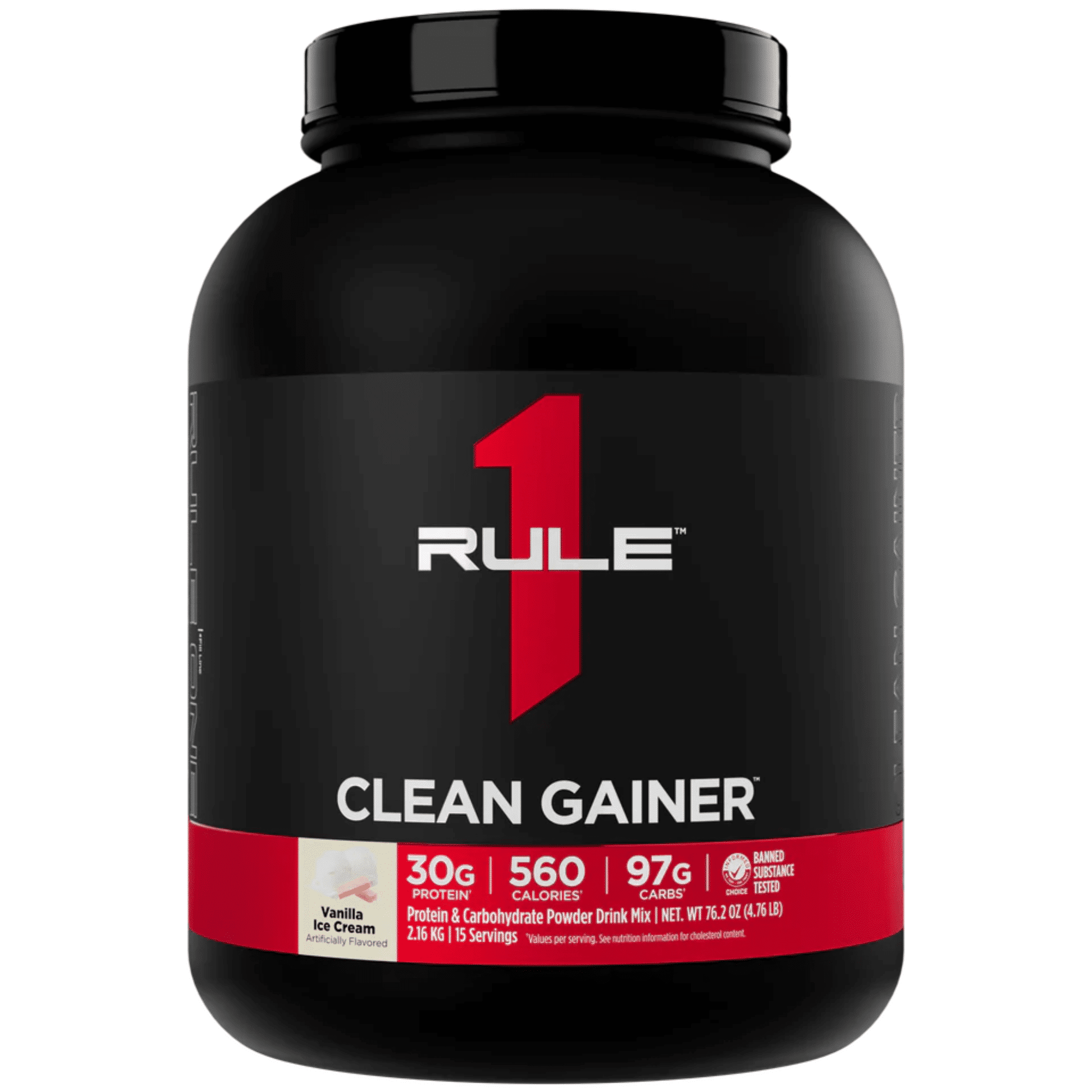
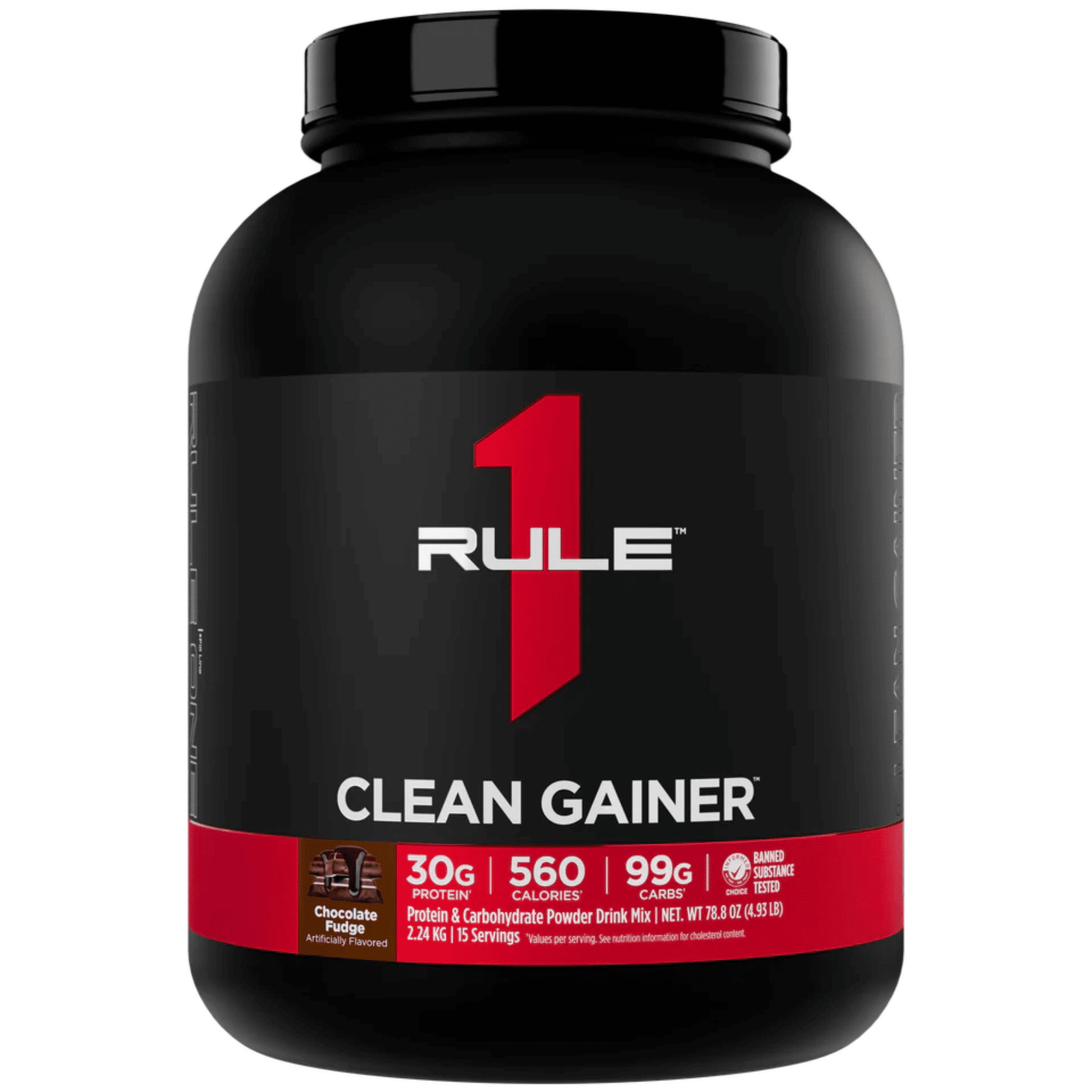
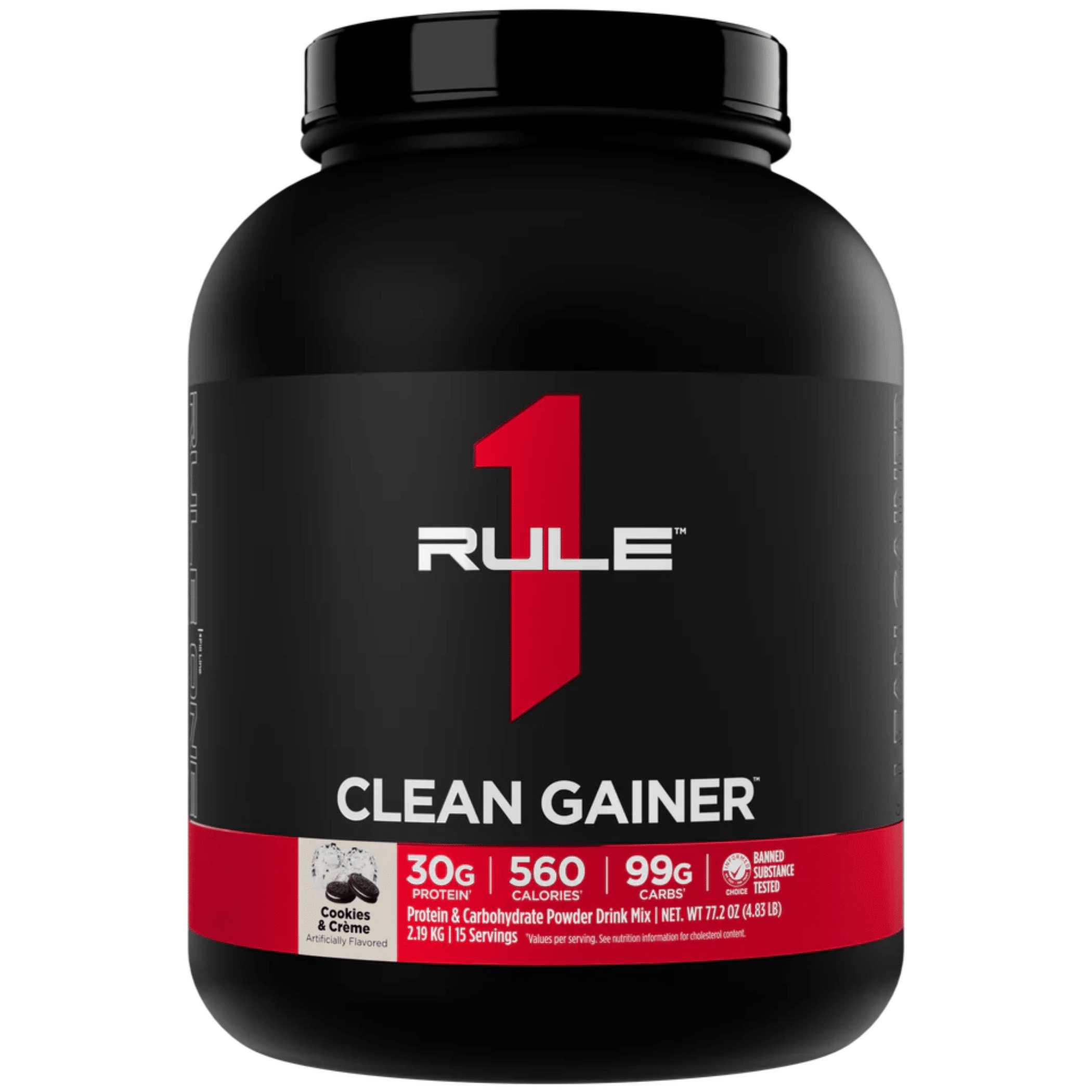
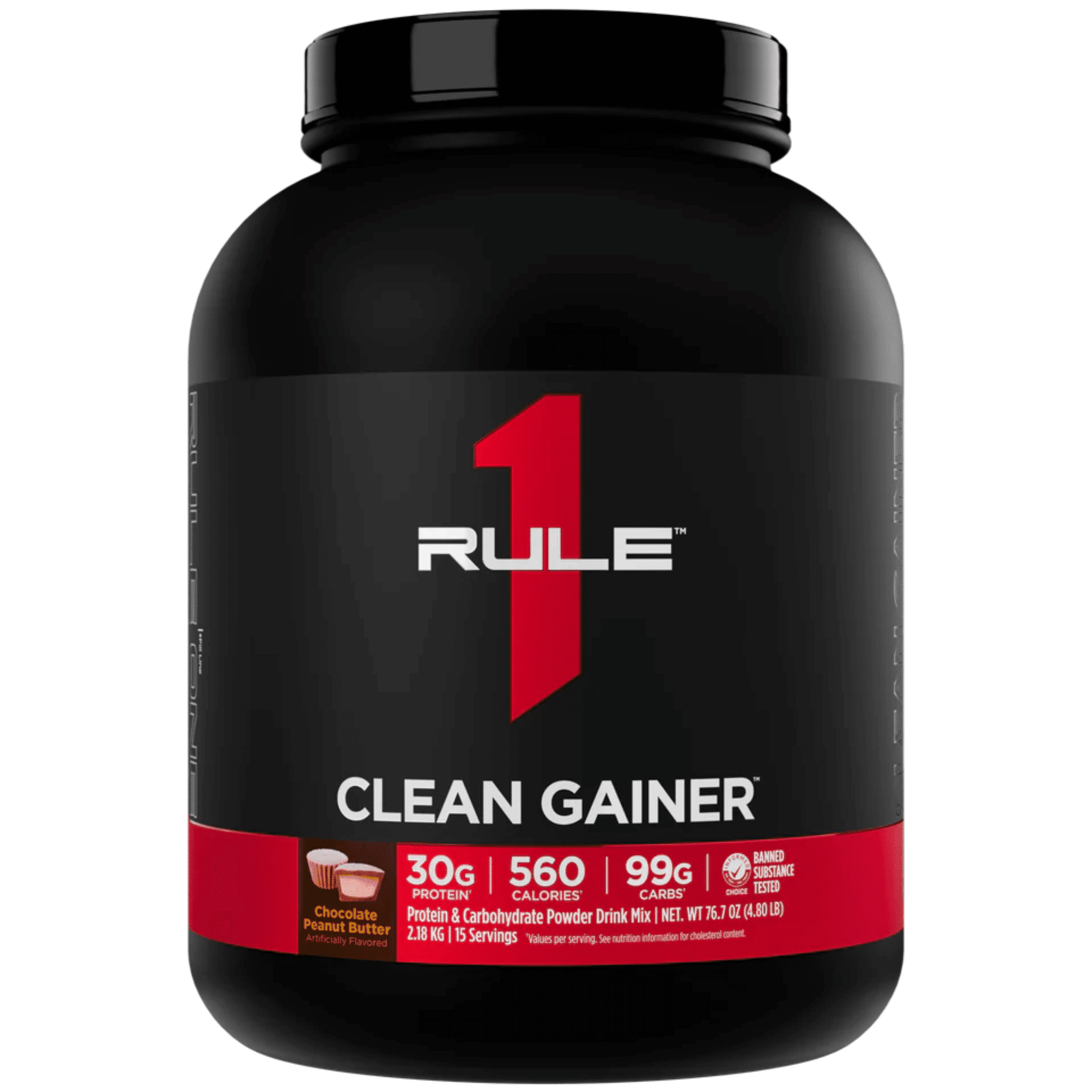
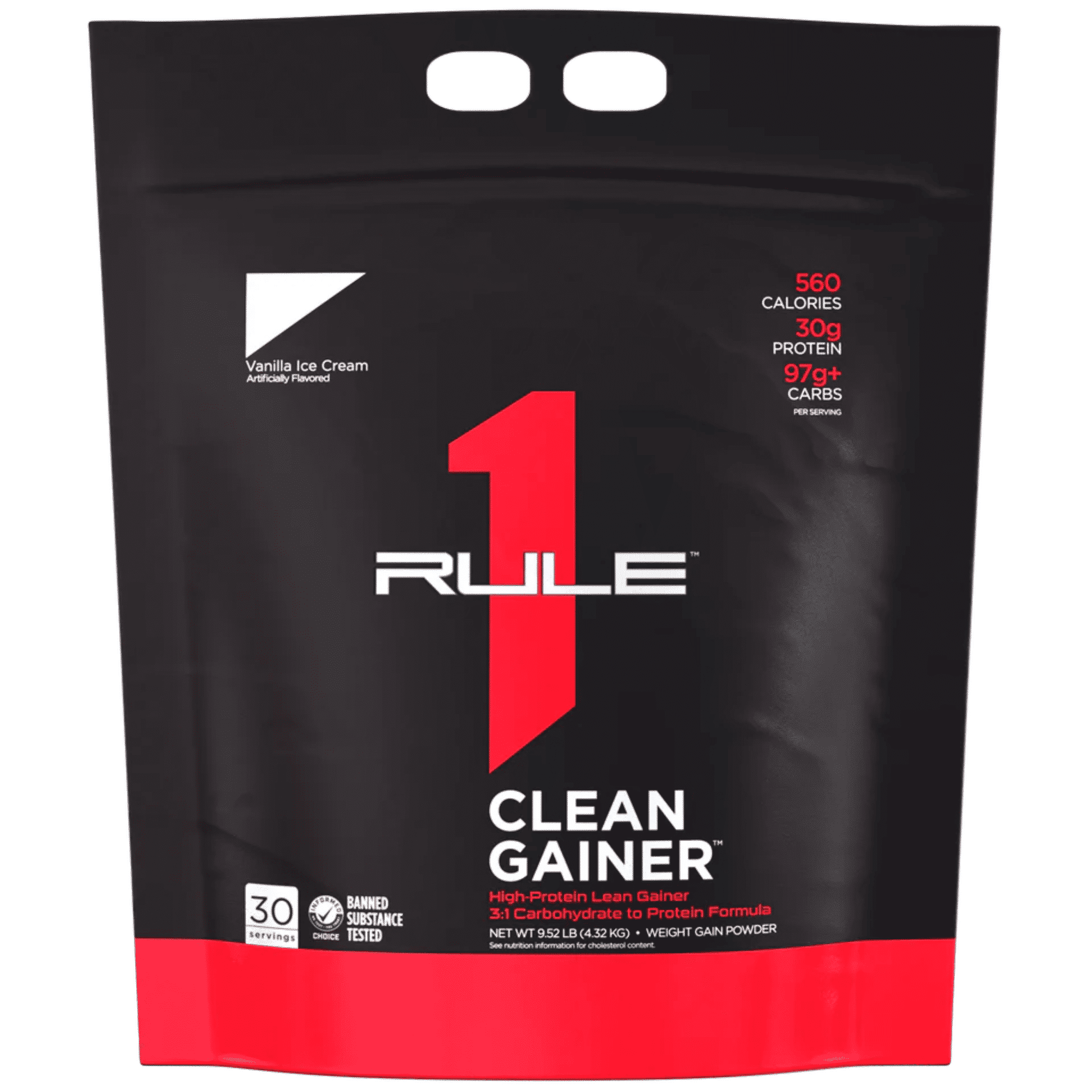
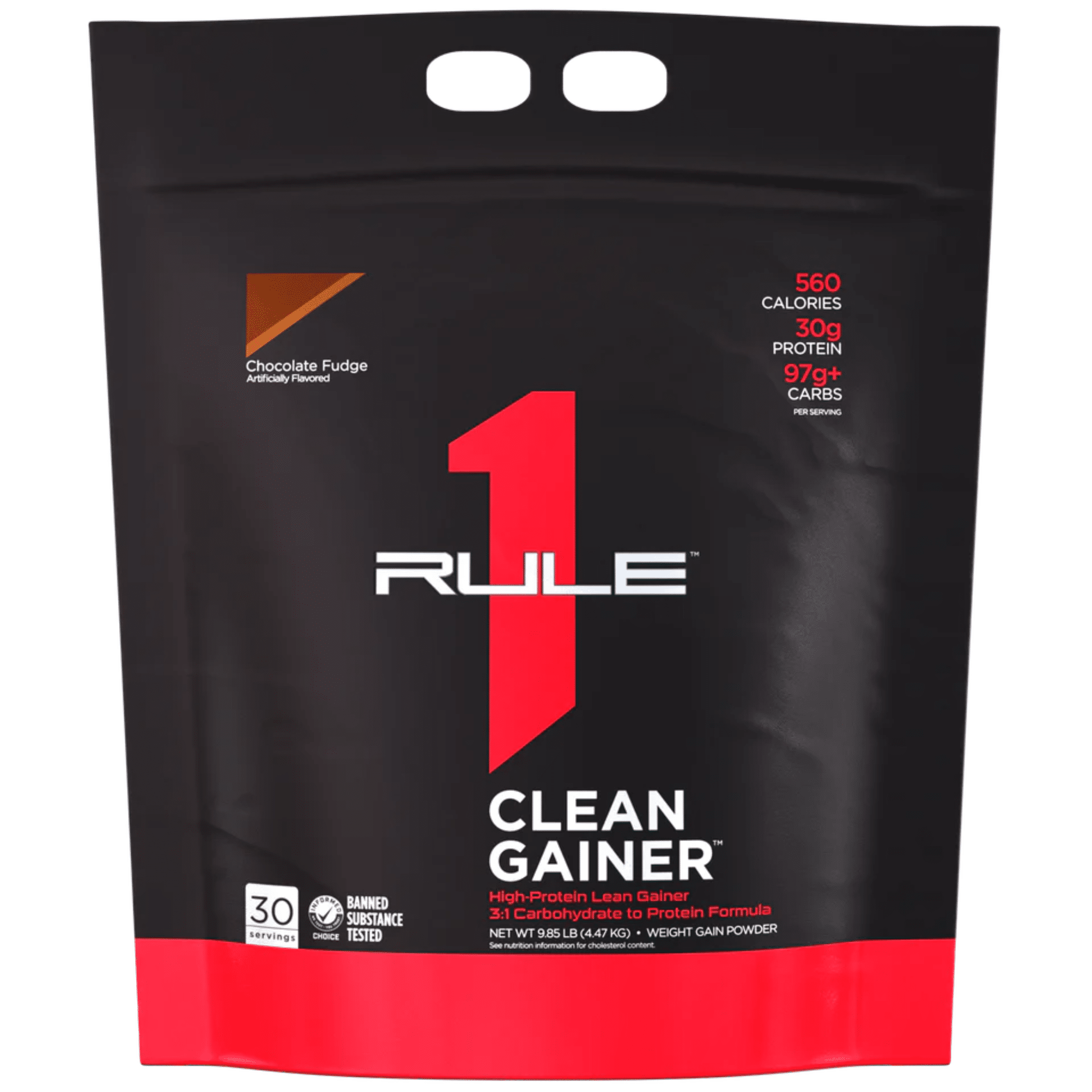
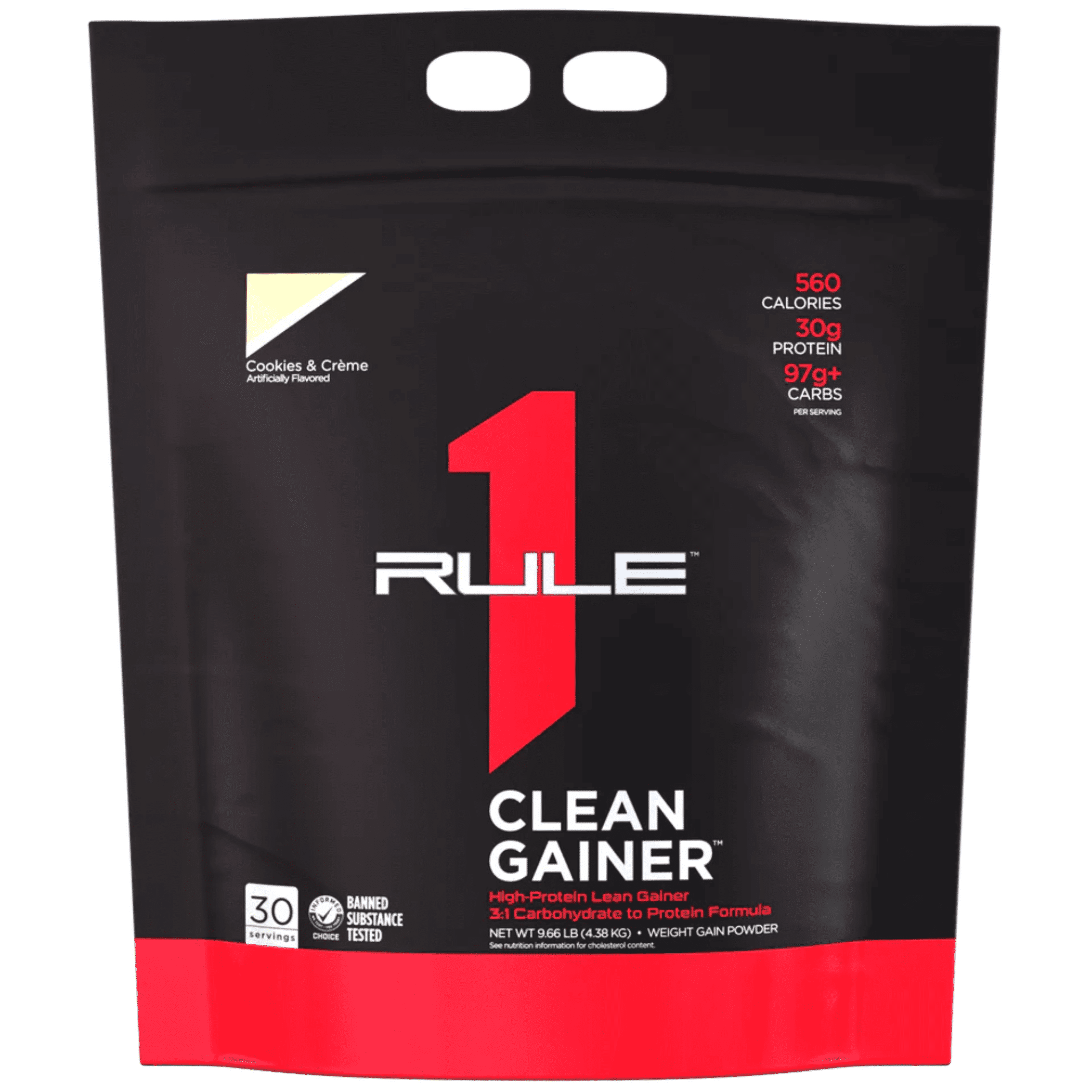
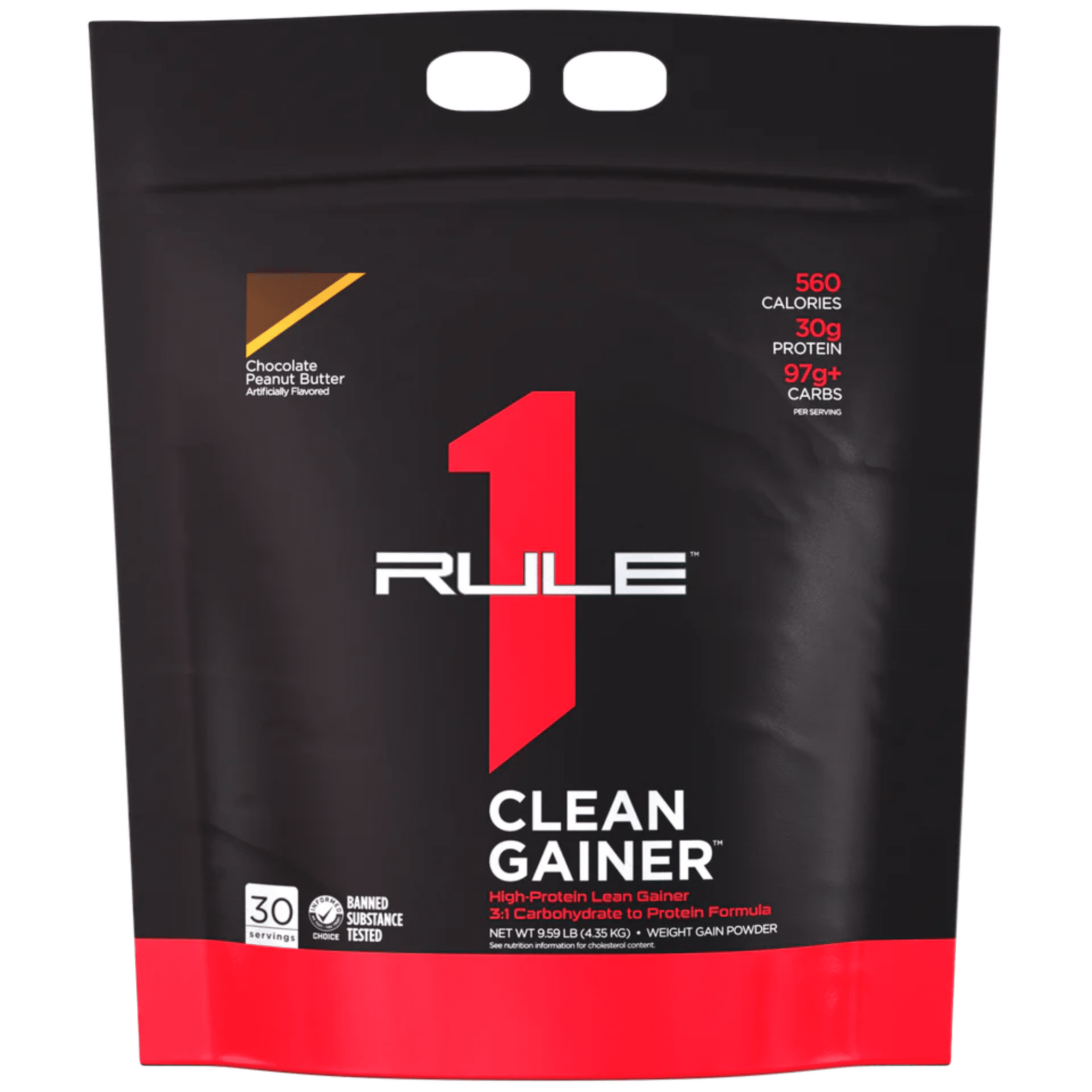
Rule One R1 Clean Gainer
560 calories per serving, with 30g of protein, 99g of carbohydrate and just 9g of total sugar. No creamers, no gums, no amino spiking, no soy protein.
The word "clean" gets used loosely in this category. Here it means something specific and checkable.
9g of sugar in 99g of carbohydrate is the actual claim
This is the number that justifies the name.
Mass gainers have a reputation for being sugar delivery systems — many rely heavily on cheap sugars to hit their calorie targets, which is why people associate them with fat gain and feeling unwell after drinking one.
Clean Gainer carries 9g of total sugar, of which only 4g is added, across 99g of carbohydrate. That is genuinely low for the category and it is the single strongest thing about the product.
It also carries 4g of fibre, which most gainers omit entirely.
An honest look at where the carbs come from
The carbohydrate blend is maltodextrin, organic quinoa, organic blueberry powder, ginger root powder, organic rice bran and oat fiber.
Ingredients are listed by weight, so maltodextrin is by far the largest component. The quinoa, blueberry, rice bran and ginger are real inclusions, but they sit well down the list.
So this is primarily a maltodextrin-based gainer with whole-food additions — not a whole-food gainer. Some retailer listings claim the carbs come from oats and sweet potatoes; there is no sweet potato in this formula at all.
That is not a criticism. Maltodextrin is fast-digesting and easy on the stomach in large amounts, which is exactly what a post-workout gainer needs — a slow, fibrous carbohydrate at 99g would be uncomfortable to drink. We would simply rather you knew what you were buying.
Four protein sources across the digestion range
The 30g of protein comes from whey concentrate, whey isolate, milk protein isolate and micellar casein — fast through to slow.
Milk protein isolate is the interesting one: it contains whey and casein in the ratio they naturally occur in milk, roughly 20:80, so it contributes both at once. Micellar casein then extends the release further.
For a product designed to be drunk between meals or before bed, that staged release makes more sense than a fast whey alone.
And no amino spiking — the practice of adding cheap free-form aminos to inflate protein test results without supplying usable complete protein. Explained fully on our R1 Whey Blend page.
The lipid blend is a genuine inclusion
MCT powder, flaxseed, avocado and sunflower oil powders — only 5g of fat total, but from sources chosen rather than defaulted to.
MCTs are absorbed more directly than long-chain fats and used quickly for energy. Flaxseed supplies ALA omega-3. Most gainers use cheap creamers for fat; this does not, and the label says so explicitly.
Specs (2 heaping scoops, 149g)
| Calories | 560 |
| Protein | 30g |
| Carbohydrate | 99g (3:1 carbs to protein) |
| Total sugars | 9g (4g added) |
| Fibre | 4g |
| Fat | 5g (3.5g saturated) |
| Sodium / Potassium | 310mg / 570mg |
| Cholesterol | 80mg (27% DV) |
| Calcium / Iron | 280mg (20%) / 4.8mg (25%) |
| Servings | 30 |
| Excluded | Creamers, gums, amino spiking, soy protein, banned substances |
| Allergens | Milk, soy (lecithin) |
560 calories is moderate for a gainer — some run to 1,200 or more. That is deliberate. A 1,200-calorie shake is difficult to drink, hard on the stomach, and easy to overshoot with. 560 is a realistic addition to a day rather than a challenge.
Note the 80mg cholesterol at 27% of daily value, which is high for a powder — worth knowing if you monitor it.
The honest conversation about gainers
We would rather have this with you than sell you something you do not need.
A gainer is a convenience product, not a magic one. 560 calories is 560 calories whether it comes from this or from food. You can build the equivalent from oats, milk, peanut butter and a scoop of protein for less money.
What a gainer genuinely solves is appetite. If you are someone who struggles to eat enough — and that is a real problem, not a lack of discipline — drinking 560 calories is far easier than chewing them. That is the entire case for the product, and it is a good one for the people it applies to.
If your appetite is fine and you are simply not eating enough, eat more food first. It is cheaper and better.
And if you are not gaining weight, the answer is almost always that total daily calories are still too low — not that you need a different gainer.
How to take it
- Two heaping scoops in 12 to 16oz of water or milk. Milk adds roughly another 150 calories and makes it richer.
- After training, between meals, or before bed. The casein content suits the last of those.
- Start with one scoop if 560 calories in one go is too much — half servings are perfectly valid.
- Blend with fruit and nut butter if you want to push calories higher.
- Alongside your normal meals, not instead of them. It is an addition to a calorie surplus, not a replacement for eating.
Who this is for
- Anyone who genuinely struggles to eat enough — poor appetite, a fast metabolism, or a schedule that makes eating difficult
- People who have tried gainers before and disliked how sugary and heavy they felt
- Anyone who wants four protein sources rather than one
- People who want a moderate, drinkable calorie addition rather than a 1,200-calorie challenge
- Anyone avoiding creamers, gums and soy protein
Who this is not for
If your appetite is fine, eat more food. It is cheaper and more nutritious. We will tell you that at the counter.
If you are trying to lose or maintain weight, this is the wrong product entirely — a whey isolate gives you the protein without the 530 extra calories.
It contains soy lecithin, and milk.
If you monitor cholesterol, 80mg at 27% DV is high for a powder.
If you want a whole-food carbohydrate source, maltodextrin is the primary carb here.
If you are diabetic or insulin resistant, 99g of largely fast-digesting carbohydrate in one sitting is worth discussing with your doctor first.
Stack it with: creatine, which suits a gaining phase well. See our creatine range.
Frequently asked questions
What is the carb to protein ratio?
3:1 carbs to protein — 99g of carbohydrate to 30g of protein, at 560 calories.
What makes it "clean"?
The sugar content. 9g of total sugar (4g added) across 99g of carbohydrate is genuinely low for a gainer, and it contains no creamers, gums, amino spiking or soy protein.
Where do the carbs actually come from?
Primarily maltodextrin, with organic quinoa, blueberry powder, ginger root, rice bran and oat fiber further down the list. There is no sweet potato, despite some listings claiming otherwise.
Is maltodextrin bad?
No. It is fast-digesting and easy to tolerate in large amounts, which is what a post-workout gainer needs. A slow fibrous carb at 99g would be uncomfortable to drink.
Why only 560 calories?
Deliberately moderate. Gainers running to 1,200 calories are hard to drink and easy to overshoot with. 560 is a realistic daily addition.
Can I take half a serving?
Yes. One scoop is around 280 calories and perfectly valid.
Will it make me fat?
Only if it takes you past your calorie needs, which is true of any food. Use it to reach a modest surplus rather than a large one.
Do I need a gainer at all?
Only if eating enough is genuinely difficult for you. If your appetite is fine, food is cheaper and better.
Tastes great and does not hurt my stomach. Definitely recommend...
You may also like
Recently viewed
- Opens in a new window.