

Description
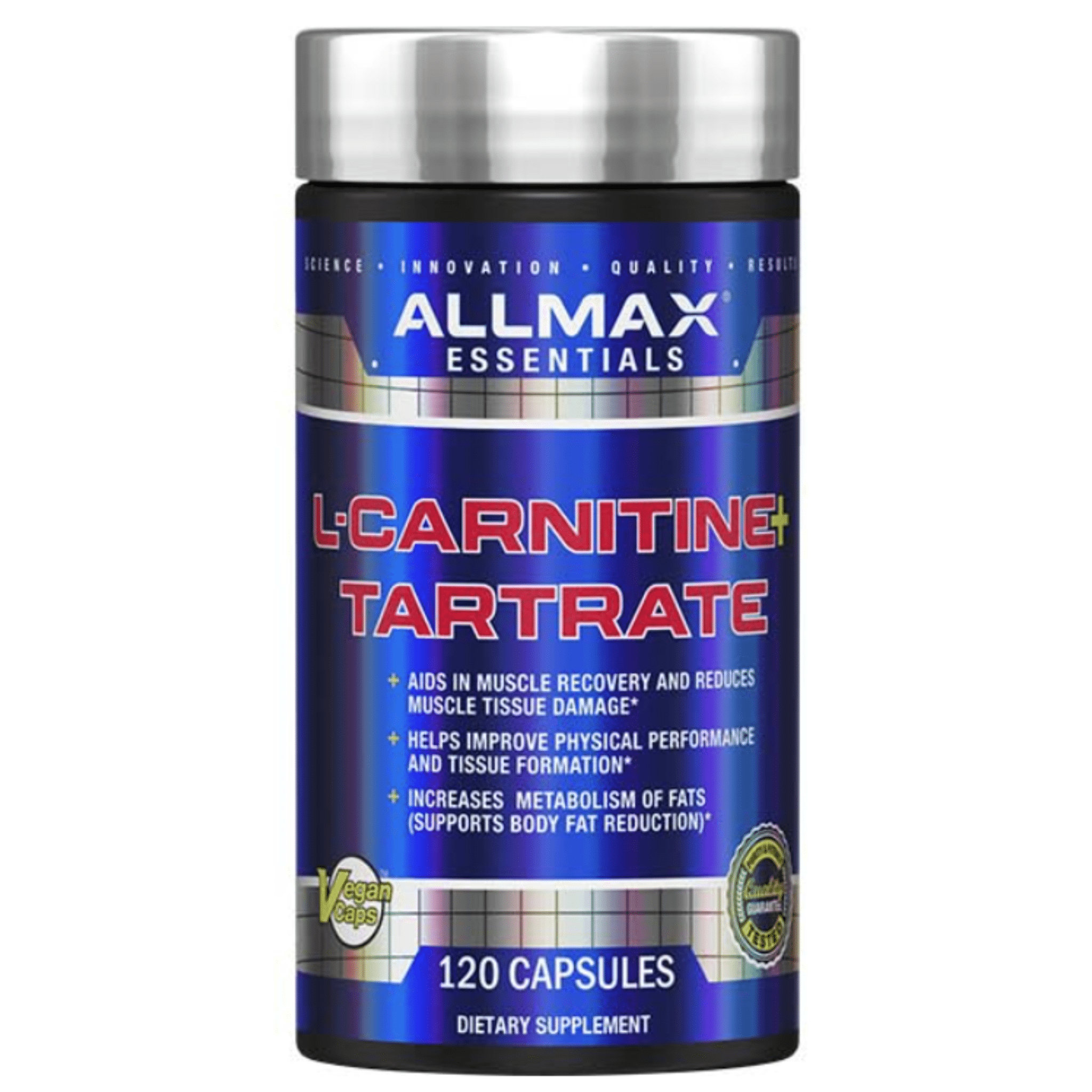
ALLMAX L-Carnitine L-Tartrate
L-carnitine L-tartrate — the form used in most exercise research, and one that is almost always taken incorrectly.
⚠ The mistake almost everyone makes
This is the most valuable thing on the page, and it will change your results more than the brand you buy.
Carnitine uptake into muscle is insulin-dependent.
Swallowing carnitine raises it in your bloodstream — but getting it into muscle tissue, where it does its job, requires insulin. And research has shown that carnitine alone does not meaningfully increase muscle carnitine content, no matter how much you take.
What does work is taking it with a substantial carbohydrate load. The studies that successfully raised muscle carnitine used it alongside a large amount of carbohydrate — enough to produce a genuine insulin response.
Which means the standard advice is backwards. Carnitine is routinely sold as a fat burner and taken fasted before morning cardio — precisely the condition in which insulin is lowest and uptake is worst.
Take it with a carbohydrate-containing meal. That is the practical instruction, and it costs nothing.
What carnitine actually does
Carnitine transports long-chain fatty acids across the mitochondrial membrane, where they are oxidised for energy. Fat cannot be burned inside the mitochondria without it.
That mechanism is what made carnitine a fat loss supplement — the logic being that more carnitine means more fat transported and burned.
⚠ The problem with that logic: in healthy people, carnitine is not the limiting factor. You already produce enough for the transport step to proceed, and adding more does not accelerate a process that was not being held back.
The human evidence for carnitine as a fat loss aid is weak. We would rather tell you that than sell you the story.
Where the evidence is actually better: recovery
This is the more interesting and better-supported use, and it is rarely how carnitine is marketed.
L-carnitine L-tartrate specifically has research behind reduced markers of exercise-induced muscle damage and soreness. The proposed mechanisms involve reduced oxidative stress and improved blood flow to recovering tissue.
So the honest framing: buy this for recovery from hard training, not for fat loss. That is where the research points, and it is a genuinely useful effect for anyone training frequently.
The tartrate form matters — it is the one used in most of that exercise research, and it absorbs well.
Who it genuinely suits
- Anyone training frequently, where recovery between sessions limits progress
- Vegans and vegetarians. Dietary carnitine comes almost entirely from red meat, so plant-based eaters have measurably lower intake — and this is one of the clearest cases
- Older adults, where carnitine levels decline
- Anyone in a heavy training block with elevated muscle damage
Specs
| Carnitine | L-carnitine L-tartrate |
| ⚠ Take with | Carbohydrate — uptake is insulin-dependent |
| Best evidence | Recovery, not fat loss |
| Stimulants | None |
How to take it
- With a carbohydrate-containing meal. This is the whole point — fasted carnitine is largely wasted.
- Daily and consistently. Raising muscle carnitine content takes weeks of consistent intake, not days.
- Post-workout works well, since you are likely eating carbohydrate then anyway.
- Not before fasted cardio, which is the most common and least effective way to take it.
- Stimulant-free, so it stacks with anything.
Who this is for
- Anyone training frequently who wants better recovery between sessions
- Vegans and vegetarians, whose dietary intake is genuinely low
- People in high-volume training blocks
- Older adults
- Anyone who wants a stimulant-free addition to a cutting stack, with realistic expectations
Who this is not for
Anyone buying it primarily as a fat burner. The human evidence for that use is weak, because carnitine is not the limiting factor in healthy people.
Anyone planning to take it fasted. Uptake is insulin-dependent, and fasted is the worst possible timing.
Anyone expecting a quick result — muscle carnitine builds over weeks.
Anyone who eats a great deal of red meat already has a reasonable dietary intake.
Speak to your doctor if you have a thyroid condition, as carnitine may interfere with thyroid hormone action, or if you take warfarin.
Not for anyone under 18, pregnant or nursing.
Stack it with: a carbohydrate source — that is not an upsell, it is how the ingredient works. Super Carb or a post-workout meal both do the job.
Frequently asked questions
Should I take carnitine fasted?
No — this is the most common mistake. Uptake into muscle is insulin-dependent, so fasted is the worst timing. Take it with a carbohydrate-containing meal.
Does carnitine burn fat?
The mechanism is real — it transports fatty acids into mitochondria — but in healthy people carnitine is not the limiting factor, and the human evidence for fat loss is weak.
What is it actually good for?
Recovery. L-carnitine L-tartrate has research behind reduced markers of exercise-induced muscle damage and soreness.
Why the tartrate form?
It is the form used in most of the exercise research and it absorbs well.
How long before it works?
Weeks. Raising muscle carnitine content requires consistent daily intake rather than acute dosing.
Should vegans take it?
It is one of the clearer cases. Dietary carnitine comes almost entirely from red meat, so plant-based eaters have measurably lower intake.
Can I take it with a fat burner?
Yes, it is stimulant-free — but take it with carbohydrate, which most fat burner protocols specifically avoid.
Any medical cautions?
Speak to your doctor if you have a thyroid condition, since carnitine may interfere with thyroid hormone action, or if you take warfarin.
You may also like
Recently viewed
- Opens in a new window.